
General procurement guidance only. The applicable material standard, drawing, quotation and purchase specification control each order.
Buyer summary
Choosing a forging billet begins with the finished component and manufacturing route, not with the phrase ‘forging quality’. The order must translate component performance into measurable material and inspection requirements.
Begin with the component
Share the component drawing, finished dimensions, critical sections and service conditions. A transmission component, gear blank or heavy engineering part can require different grade, cleanliness, reduction, heat treatment and inspection decisions.
Select the grade and controlling standard
Name the exact material grade, standard and revision. If an alternative is allowed, define the approval process and acceptance values. Do not approve substitution only because two grade names appear together in a comparison table.
Match billet size to forging reduction
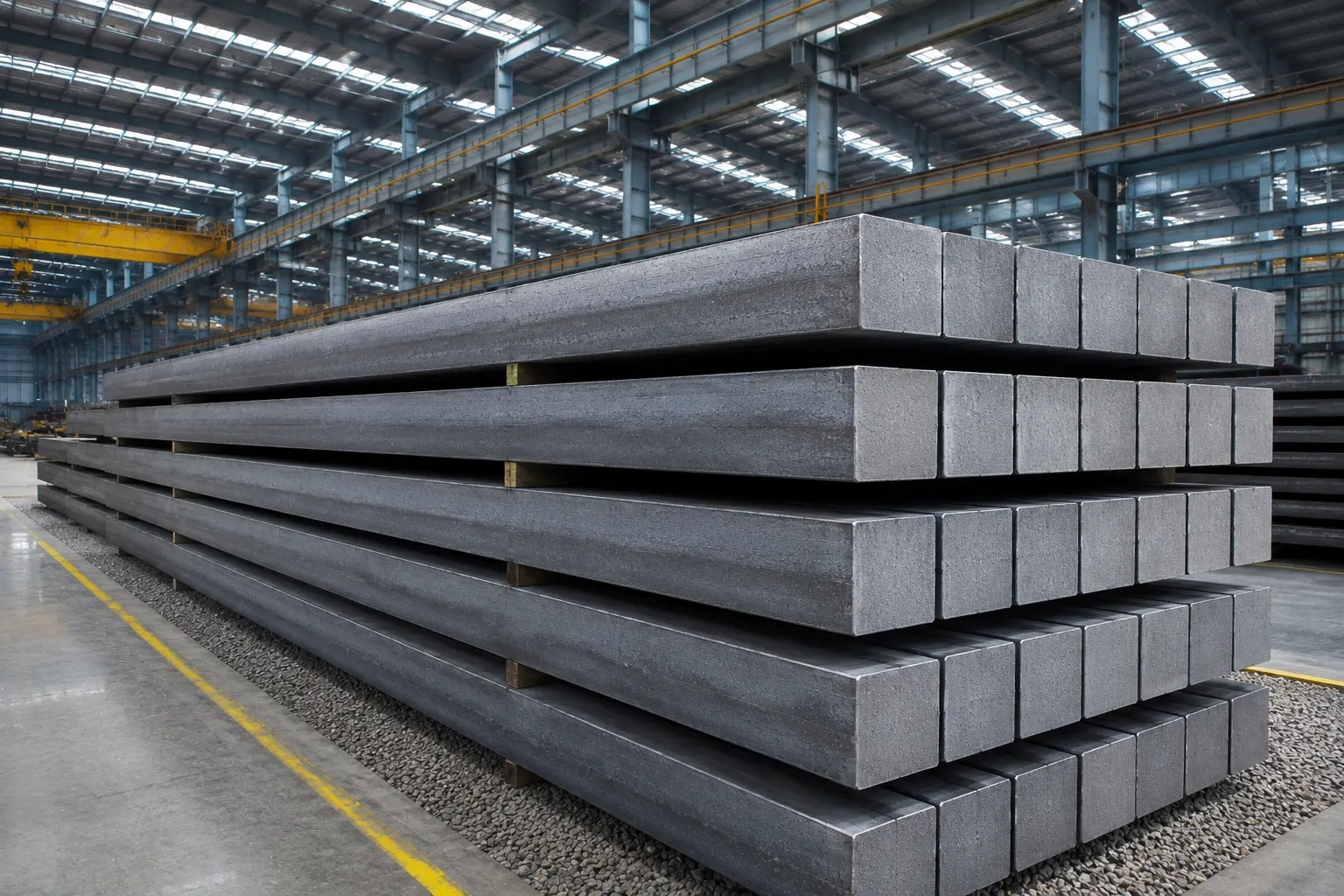
Choose a square size and cut length that suit the forging equipment, stock calculation, heating practice and planned reduction. Excess stock increases cost; insufficient reduction or machining allowance can affect process capability and the finished component.
Define surface and internal quality
State surface conditioning and defect acceptance separately from internal soundness. When UT, macro examination or another method is required, identify the standard, technique, coverage and acceptance level.
Confirm traceability and documents
Specify heat identification, chemistry, mechanical tests where applicable, MTC format, inspection witness points and third-party requirements. Confirm quantity, packaging, delivery schedule and destination before production planning.
Continue to the relevant commercial page
Review the matching product or capability page, then send the exact grade, standard, dimensions, condition, quantity, testing, documentation and destination.