
Quality Control in Structural Steel Manufacturing
How disciplined inspection at every stage — raw material to dispatch — protects product performance and buyer confidence.
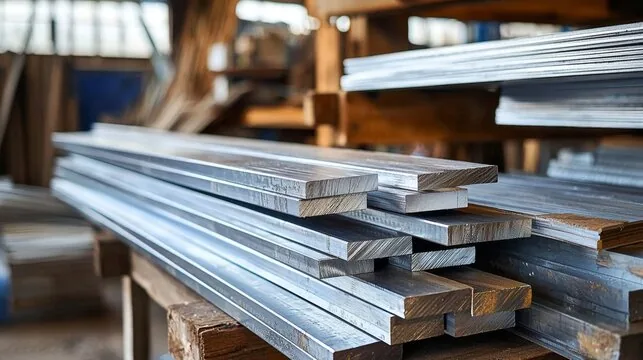
Structural steel carries the load of bridges, towers, industrial buildings and machinery. A single inconsistency in grade, dimension or internal soundness can compromise an entire project. That is why quality control in structural steel is not a final-stage activity — it is a discipline applied at every step of manufacturing.
1. Raw Material Inspection
Quality begins before melting. Incoming raw material is checked for chemical composition, contamination and traceability. Verifying inputs at the gate prevents defects that no downstream process can fully correct.
2. Grade Verification
Every heat is tested to confirm that the chemistry matches the ordered grade — whether Indian standards or international equivalents. Spectro analysis and test certificates ensure the buyer receives exactly the material their application demands.
3. Dimensional Checks
Rolled and forged products are measured continuously for thickness, width, diameter, straightness and tolerance. Dimensional accuracy directly affects fabrication time, machining allowance and material wastage at the customer's end.
4. Mechanical Testing
Tensile strength, yield strength, elongation and hardness are validated against the applicable standard. For demanding applications, additional tests such as impact testing are carried out as per customer requirement.
5. Final Inspection Before Dispatch
Before any consignment leaves the plant, products go through surface inspection, tagging, bundling checks and documentation review. Each dispatch is matched against the order specification so the customer receives what was committed — on spec and on time.
Why It Matters for Buyers
- Consistent quality reduces rejection, rework and project delays.
- Verified grades protect structural integrity and compliance.
- Accurate dimensions lower fabrication and machining costs.
- Reliable documentation simplifies audits and approvals.
At Jain Steels Group, disciplined quality systems are built into the manufacturing process itself. It is how we deliver on our promise — Quality Material to Quality Customers.
Request Quote Back to BlogsRelated Pages
Continue to relevant product, technical and company information.